

Materials & Finishes
Jewelry Materials Wholesale Built for Your Price Point and Market
Compare stainless steel, sterling silver, brass, copper, and alloy based on wear conditions, finishing options, and reorder consistency—so you can make faster decisions with greater confidence.
- Material selection by wear and channel
- Finish option confirmed before bulk production
- Color approval managed for reorders

6h Assessment
3rd Party Testing Docs
Milestone Tracking
PVD/Plating Cost Eval
Private Label & Packaging
Why Buyers Choose CCK for Jewelry Material Sourcing
We help wholesale buyers make clearer material decisions before production starts. From sample review and finish approval to QC checkpoints and reorder documentation, our process is built to reduce sourcing risk and improve consistency across batches.
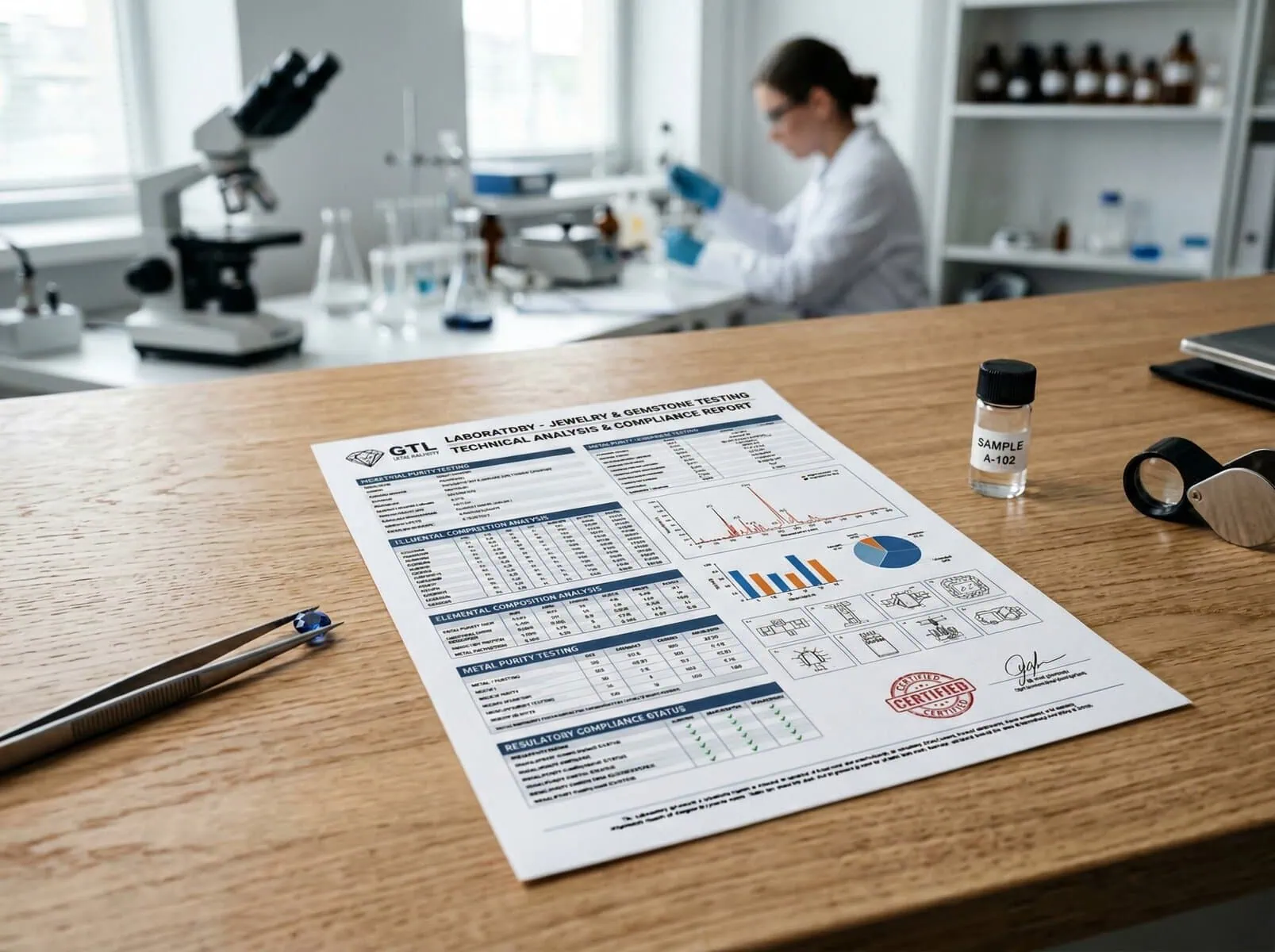
Testing Support
For projects with market-specific compliance or finish verification needs, we can align the testing scope based on the approved material and order requirements.
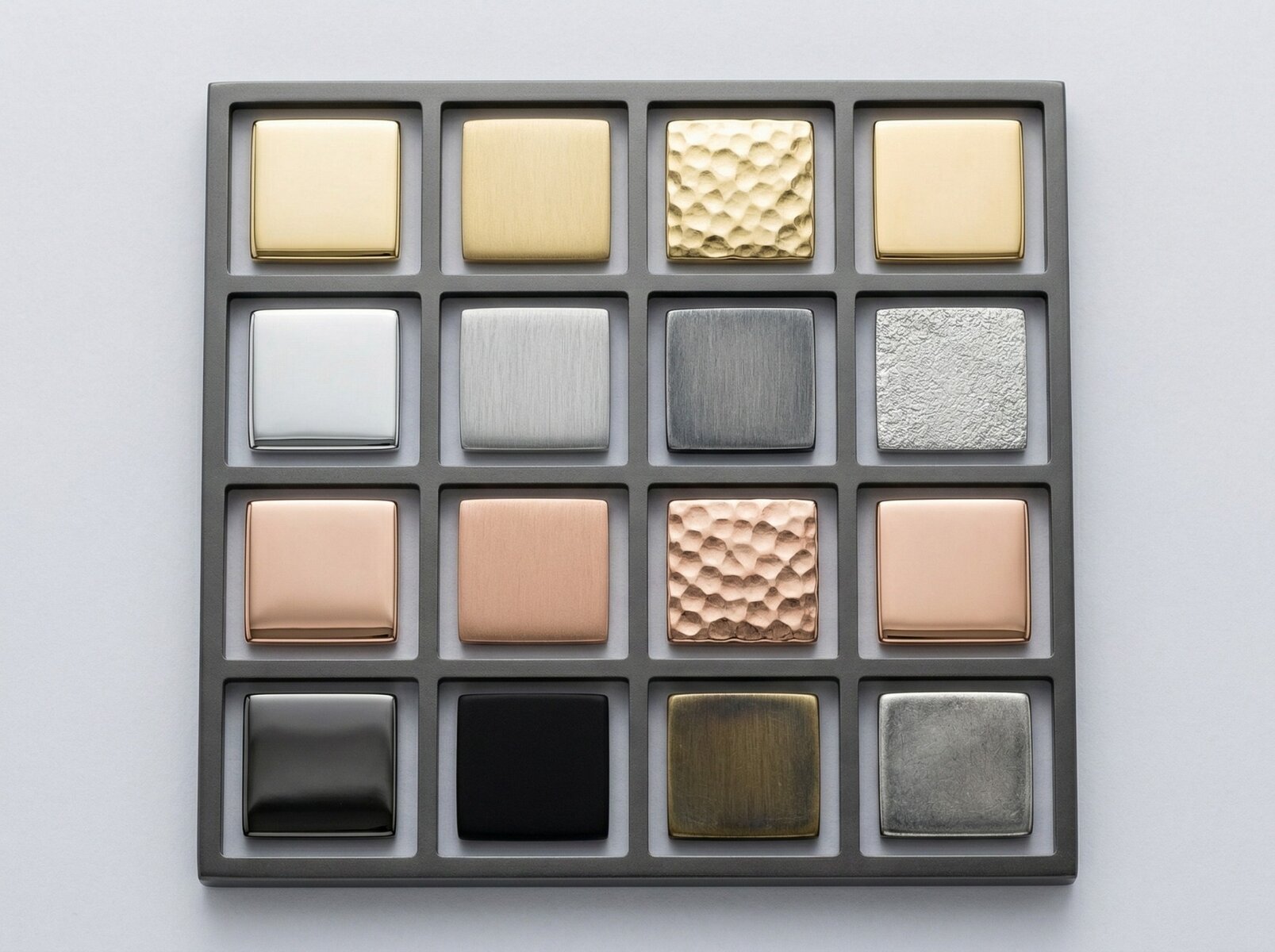
Surface Control
Approved plating tones and surface finishes are managed against confirmed references, making it easier to keep samples and repeat orders aligned.

Sample Approval
We review samples before mass production so buyers can confirm material feel, finish direction, plating tone, and overall appearance with greater confidence.
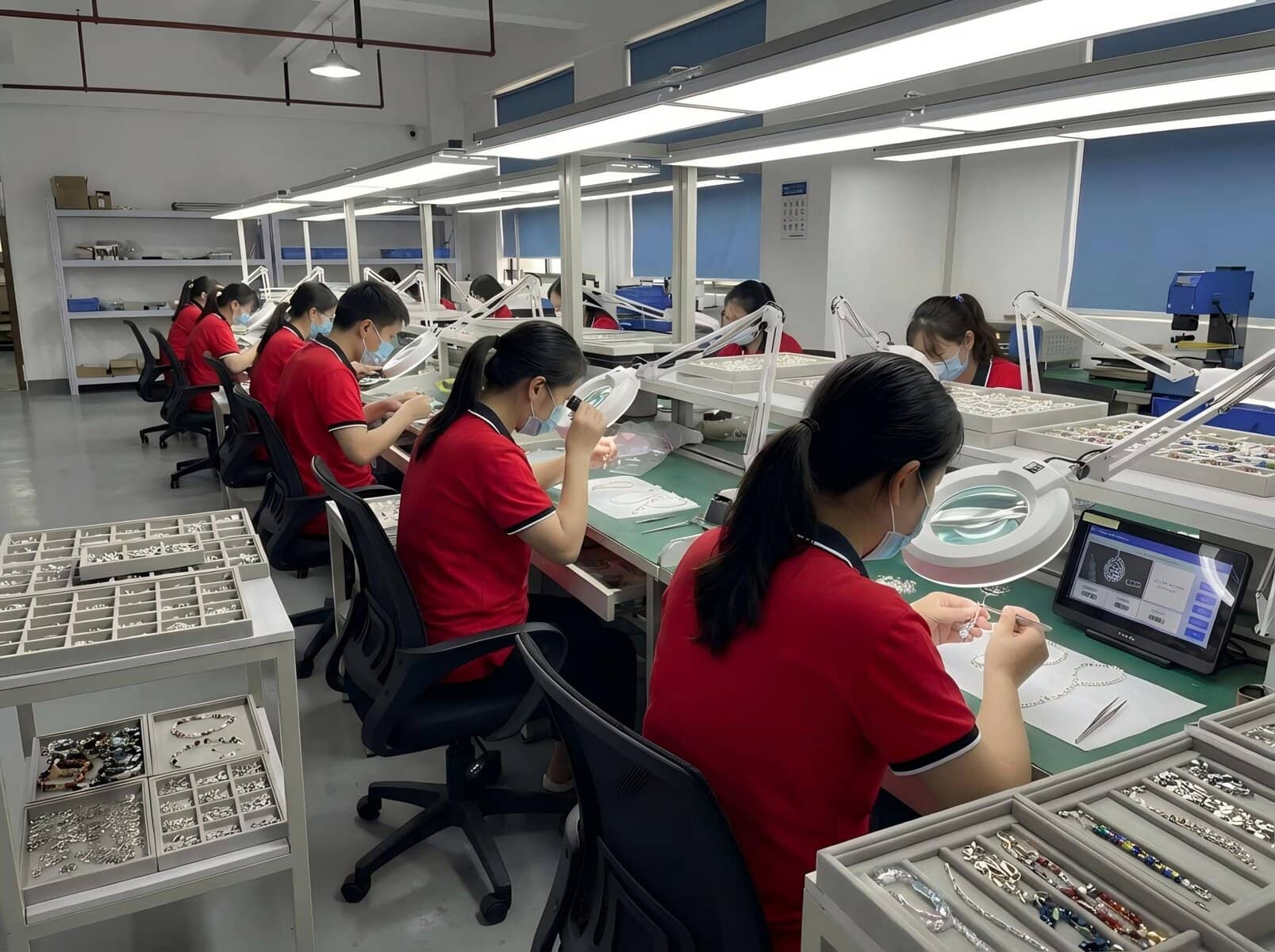
QC Checks
Our QC reviews focus on the details that most often affect sell-through quality, including plating consistency, visible surfaces, stone setting, and assembly accuracy.
Note: Visual references and approval tools that support more confident material selection and reorder control.
How to Choose the Right Jewelry Material for Wholesale
The best jewelry material depends on how the product will be worn, how you want it to look, and what price point you need to hit. For most wholesale programs, stainless steel, sterling silver, brass or copper, and alloy each serve a different business purpose.
Stainless Steel
Best for
Daily-wear lines and repeat orders that need stable durability.
Considerations
Less ideal when a lighter feel or precious-metal story matters.
Sterling Silver
Best for
Gifting, higher perceived value, and classic retail positioning.
Considerations
Not the best fit for highly price-sensitive, low-maintenance programs.
Brass / Copper
Best for
Warm tones, textured finishes, and statement silhouettes.
Considerations
Needs clearer care guidance where oxidation may be a concern.
Alloy
Best for
Trend drops, broad assortments, and price-sensitive volume.
Considerations
Wear performance depends heavily on finish option and topcoat.
Compare Wholesale Jewelry Materials
Material choice affects durability, finish compatibility, cost, and reorder consistency. Here is a practical comparison of the most common materials used in wholesale jewelry manufacturing.
| Material | Best for | Main Advantages | Key Considerations |
|---|---|---|---|
| 316L Stainless Steel | Everyday wear, men’s jewelry, core reorder styles | Durable, stable, modern finish options | Heavier feel, less suited to precious-metal positioning |
| S925 Sterling Silver | Gifts, premium collections, classic retail | Stronger value perception, familiar precious-metal appeal | Higher cost, needs proper care and finish control |
| Brass/Copper | Vintage looks, warm tones, statement designs | Rich tone, good formability, texture-friendly | Oxidation risk depends on wear and finish protection |
| Zinc Alloy | Trend programs, cost-sensitive assortments | Cost-efficient, flexible for many shapes | Wear performance depends on plating and coating system |
Buyer Material Checklist
Before sampling, confirm the wear scenario, finish option, compliance scope, and reorder expectations. A few decisions made early will prevent avoidable changes later.
- What’s the wear scenario (daily, occasion, coastal humidity)?
- Is the channel sensitive to nickel/heavy metals? (market-dependent)
- Do you need stable color matching across reorders?
Scope is aligned during onboarding and confirmed per order. Sampling follows: Sample Policy.
- Which plating method fits the price point and wear expectation?
- Will the design use stones, enamel, or moving parts?
- What documents are required for your market/channel?
Stainless Steel Jewelry Materials
Stainless steel is one of the most reliable options for wholesale jewelry programs that need durability, stable quality, and consistent reorders. It works especially well for everyday-wear collections, men’s jewelry, and modern styles with long-term sales potential.
316L vs 304 (Practical Difference)
- 316L: typically chosen for durability-driven positioning and harsher wear environments.
- 304: suitable for cost-sensitive SKUs with moderate structural demands and everyday wear requirements.
Compatible Finishes
- Polished / brushed / sandblasted
- PVD, vacuum plating, or electroplating (based on project scope, confirmed during approval)
MOQ: 316L: 200 pcs | 304: 100 pcs
Lead Time: In-stock styles: 2–5 days | Existing styles: 25 days | Custom styles: 35 days
Markets: Europe, North America, Japan, Korea, Australia, Southeast Asia
316L Stainless Steel Sourcing Catalog
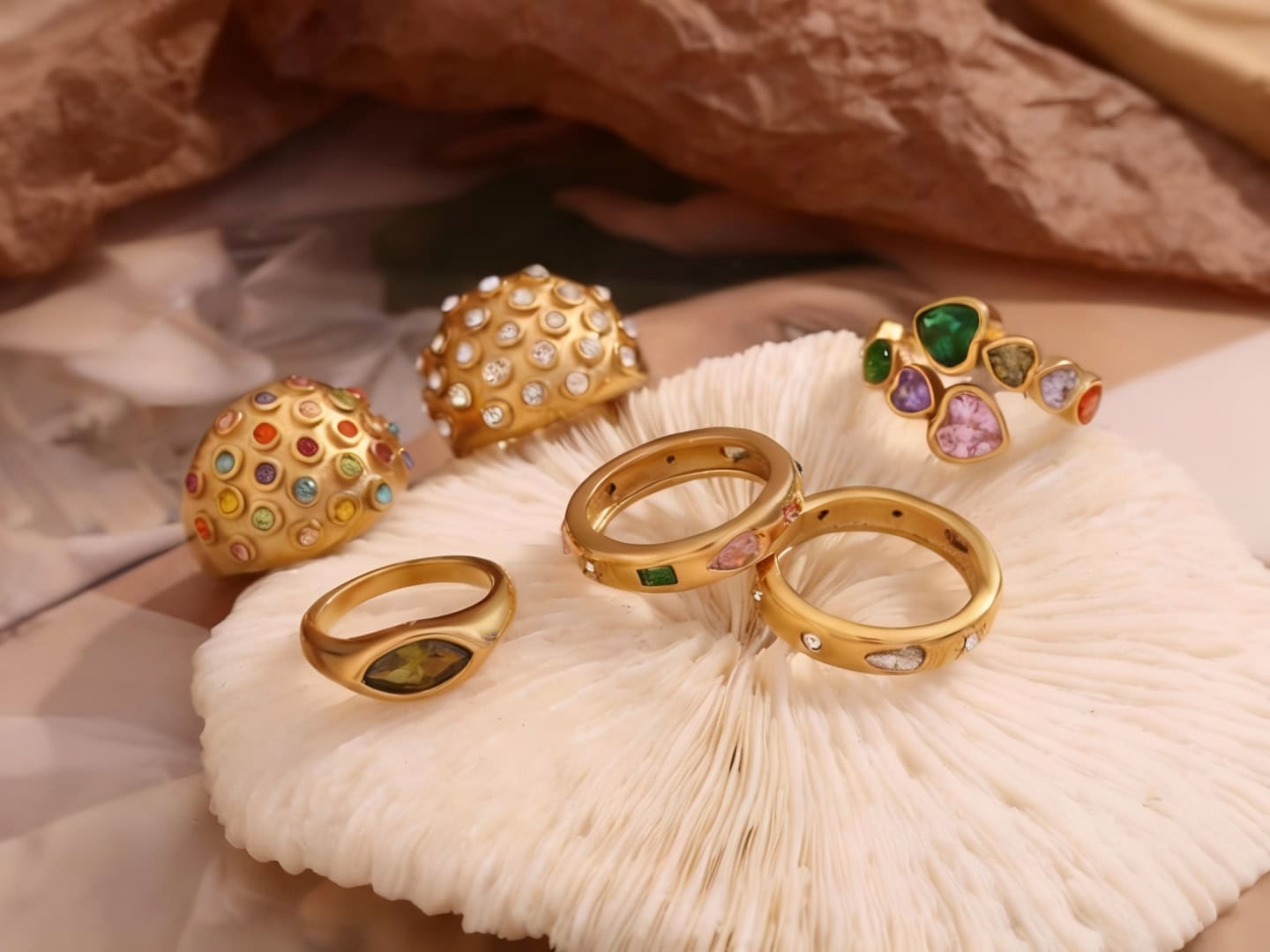
Sterling Silver Jewelry Materials
Sterling silver is a strong choice for brands that want a more premium material story, classic retail appeal, and higher perceived value in gifting or signature collections.
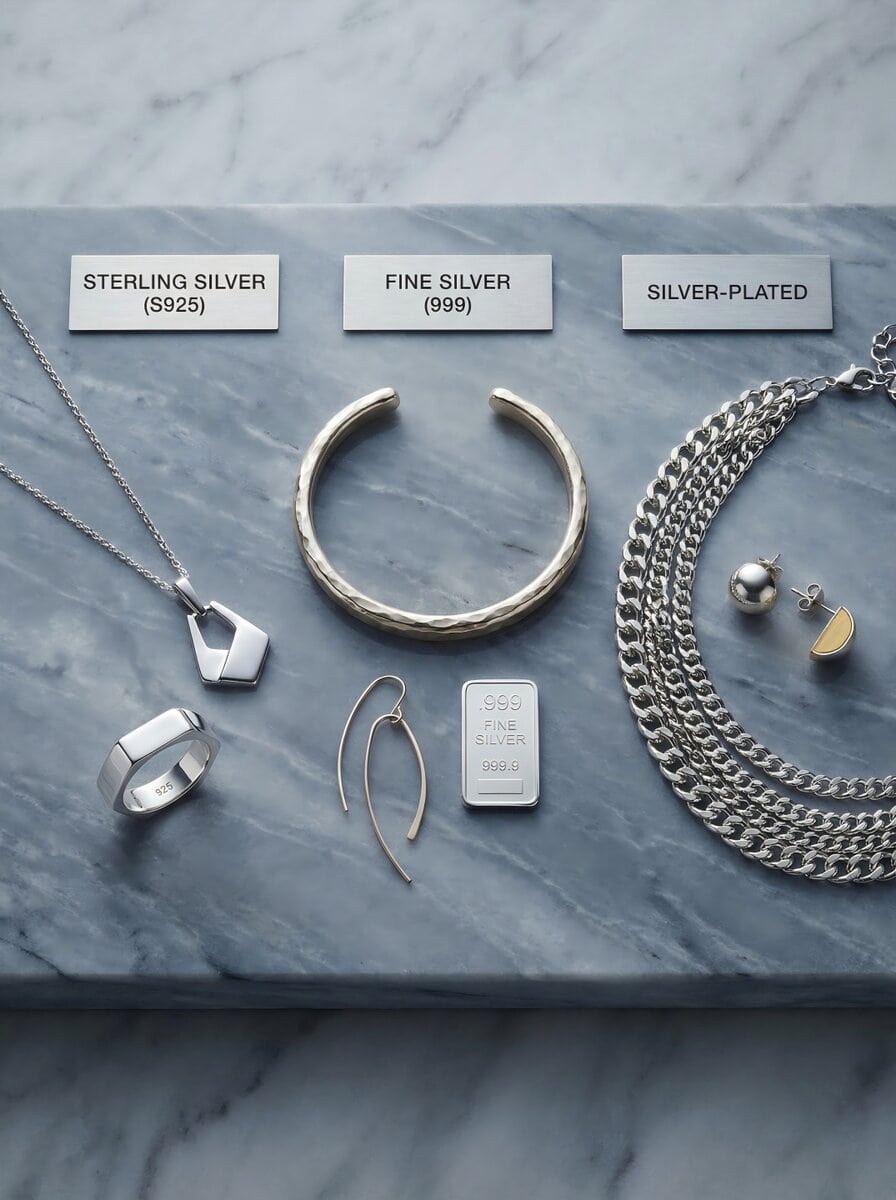
S925 Sterling Silver
Classic value perception for retail and gifting programs.
Finish references are confirmed during sampling for reorder consistency.
- Options: polished, brushed, pattern-pressed, and sandblasted surfaces (confirmed by SKU).
solid silver
A softer look and premium narrative for curated styles.
Wear scenario and structure should be reviewed for daily-use designs.
- Options: polished and controlled textures (based on project scope)
Silver-Plated
Cost-efficient option for trend-driven drops.
Plated items require clear wear expectations and care guidance.
- Options: plating method aligned to price point and channel claims.
Material and plating scope are confirmed per SKU and destination requirements (market-dependent).
Brass and Copper Jewelry Materials
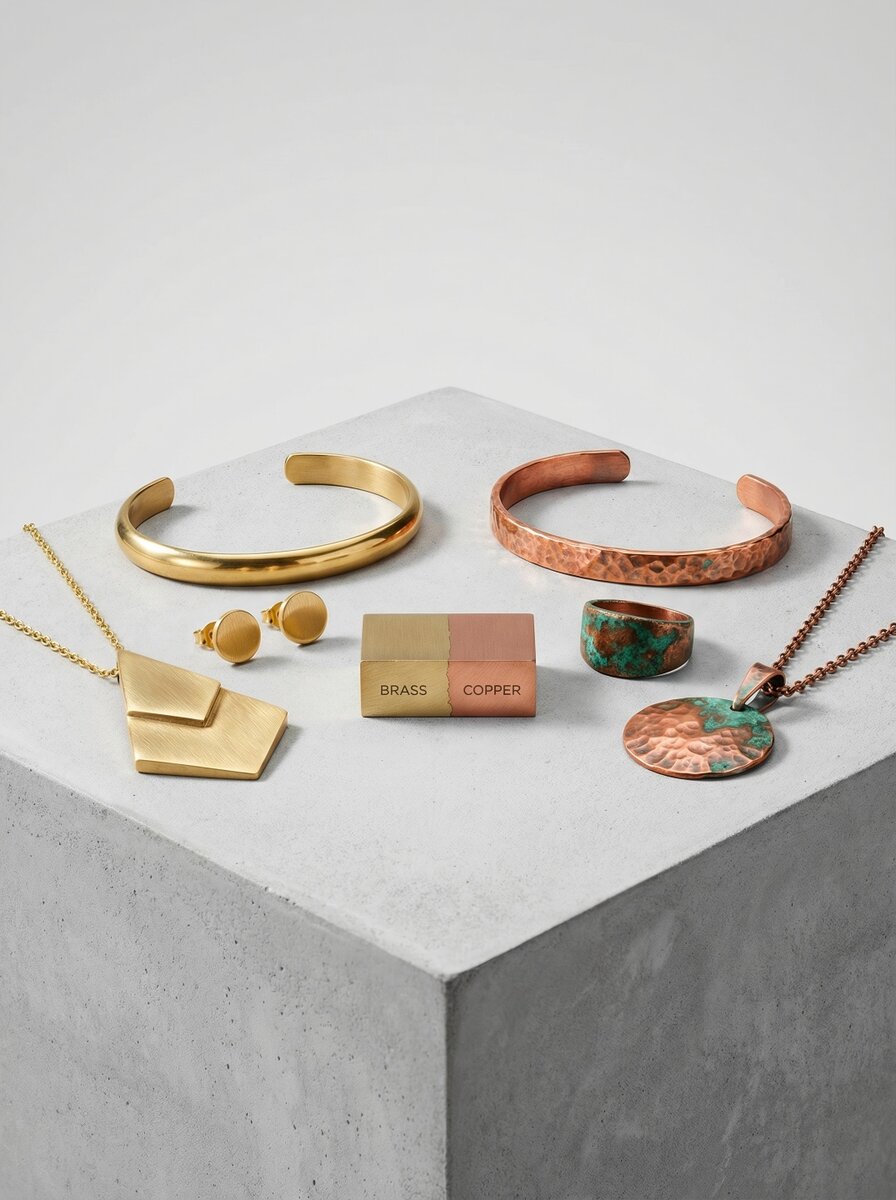
Brass and copper are ideal for wholesale jewelry collections that need stronger shapes, warm tones, and richer surface character. They work especially well for vintage-inspired styles, statement pieces, and decorative finishes.
Design Strengths
- Strong formability for detailed silhouettes
- Warm base tone for antique and vintage looks
- Compatibility with enamel and stone setting (based on project scope)
Oxidation Note
Natural oxidation may occur depending on wear and humidity. We coordinate finish and packaging options to help reduce oxidation risk during shipping and storage.
Recommended Finishes
Polished / brushed / antique texture
Electroplating and protective topcoat options (as requested)
Alloy Jewelry Materials
Alloy is a practical choice for large assortments, trend-driven collections, and more price-sensitive wholesale programs. It gives designers flexibility in shape development while helping teams control cost across broader product lines.
Cost Efficiency
Supports wide assortments for price-sensitive programs.
Scope depends on finish system and SKU structure.
Design Flexibility
Suitable for detailed shapes and trend-driven silhouettes.
Feasibility is confirmed during sampling.
Finish Notes
Plating and topcoat choices play a major role in overall wear performance.
Process notes are locked after approval.
Compliance Alignment
Materials and optional testing can be tailored to your target market.
Market requirements are destination- and channel-dependent.
Final alloy selection and finish system are confirmed per SKU and compliance scope.
Finishes and Surface Options
Material choice is only part of the sourcing decision. Surface finish, plating method, and decorative construction also affect appearance, wear performance, cost, and reorder consistency.
A|Plating Options
The same design can perform very differently depending on plating method, texture, and coating. Confirm the finishing process during sampling rather than after bulk production planning begins.
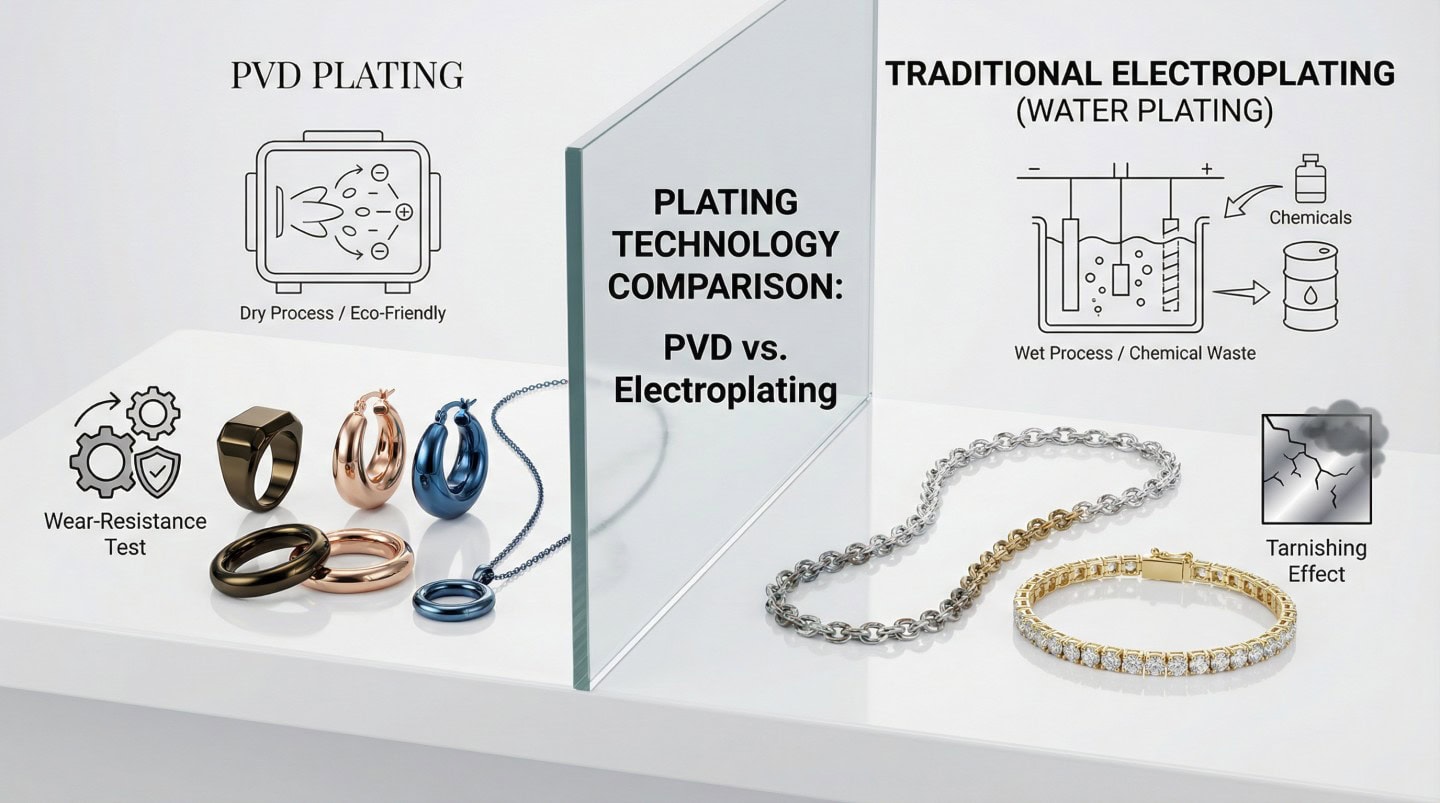
PVD
Best for durability-driven programs and stable tone on compatible materials.
Visual: clean, modern metallic finish.
Vacuum Plating
Useful when selected silhouettes need smooth, even metallic coverage.
Visual: smooth metallic tone options.
Electroplating
Best when you need broader color choice and more cost flexibility.
Visual: wide variety of tones and decorative effects.
B|Surface Textures
Visual expectations should be approved by reference, especially when the same SKU may be reordered across multiple batches.
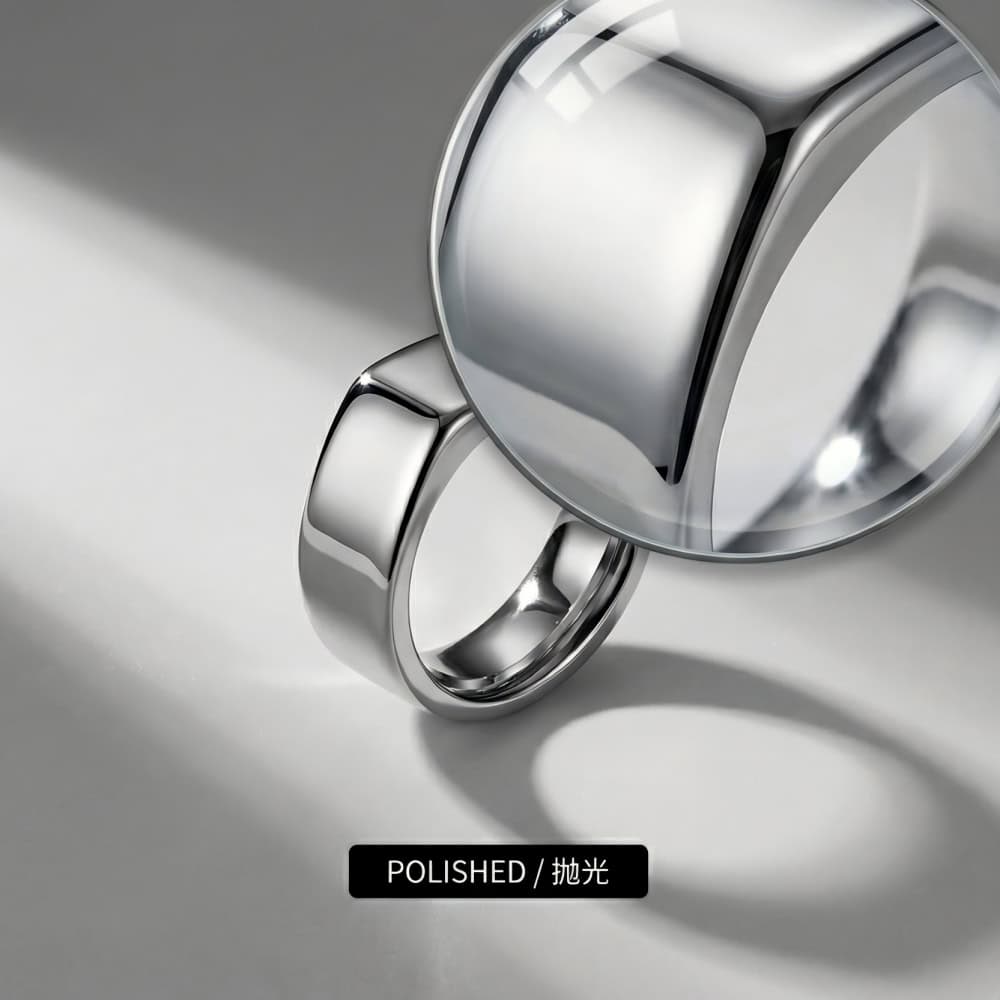
Polished
High-shine look; best for minimal styles and gifting lines; mirror finishes show scratches more easily.
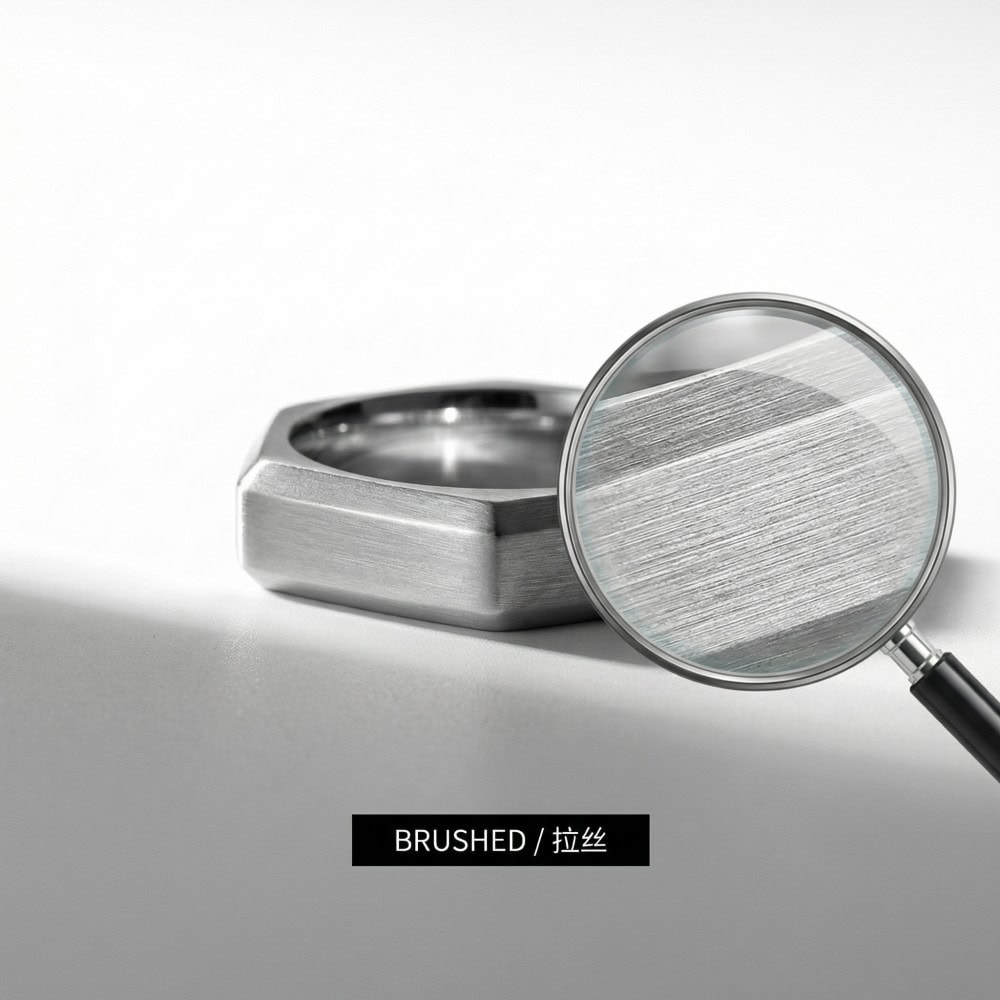
Brushed
Satin texture; best for everyday-wear visuals; hides minor marks better.
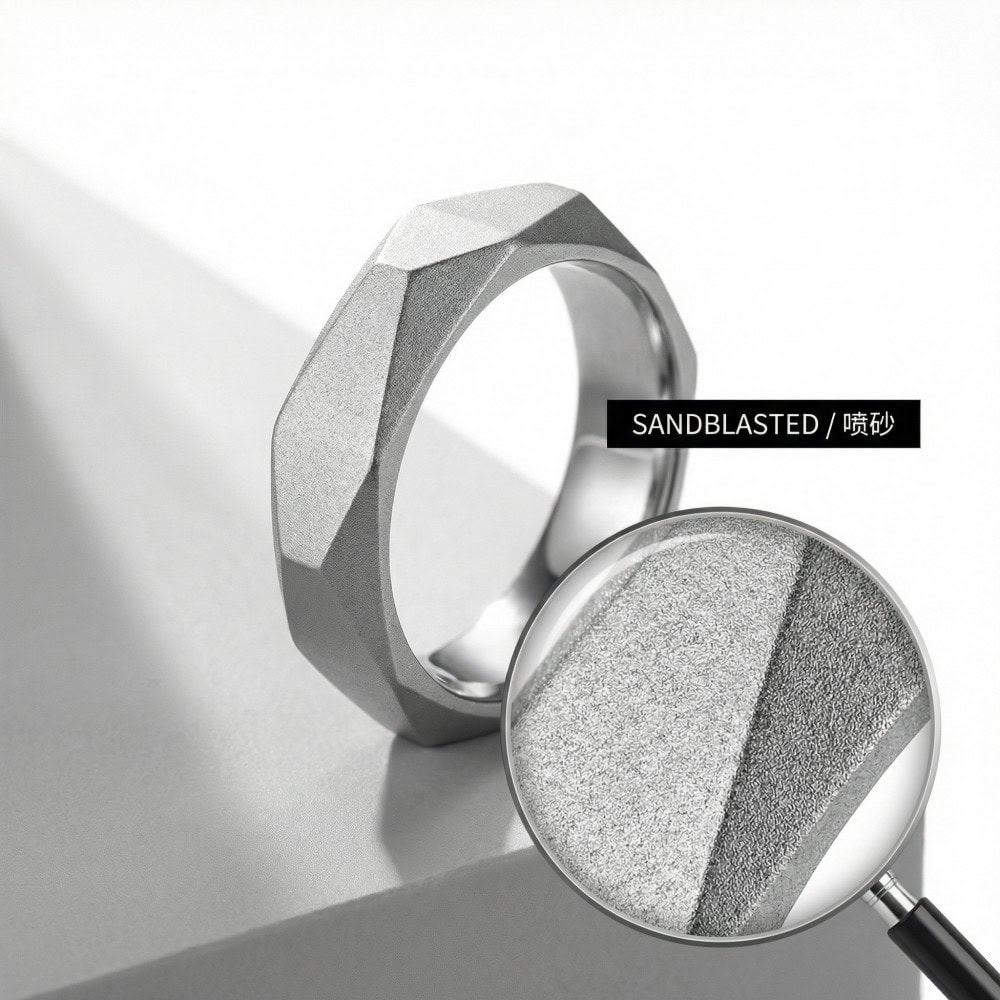
Sandblasted
Matte, diffused look; best for modern silhouettes; confirm texture reference during sampling.
C|Lock decorative details before bulk production
After the base finish is approved, decorative details should be confirmed against clear references before production starts. This includes finish color approval, color-fill methods such as epoxy or enamel, and stone-setting details that affect both appearance and QC.
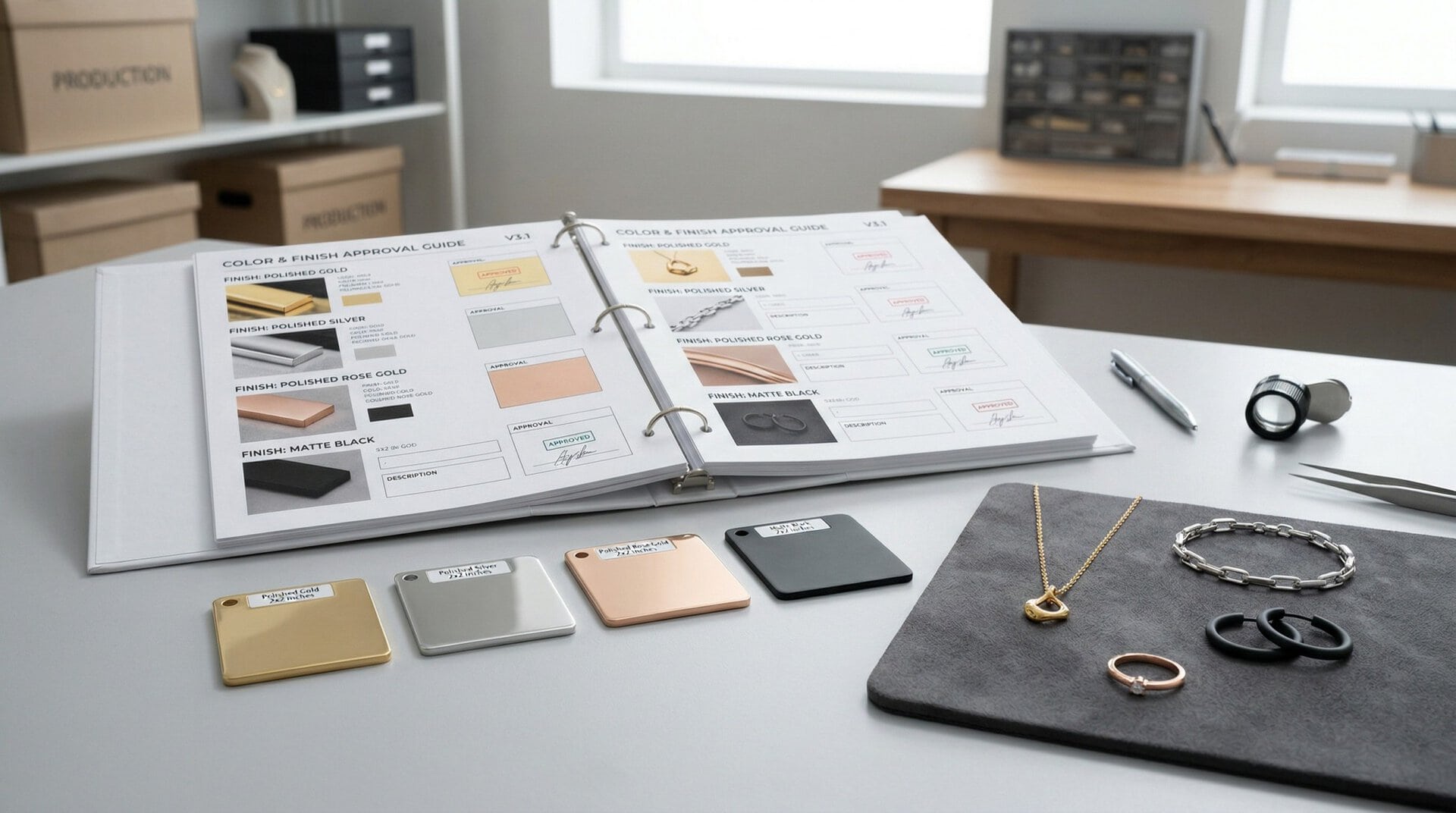
Color & finish approval
Use a versioned color chart and approved sample to confirm plating tone, surface appearance, and reference version before bulk production. Final approval should be based on a physical reference under agreed lighting conditions.
What to lock: Finish tone, approved chart version, physical reference standard
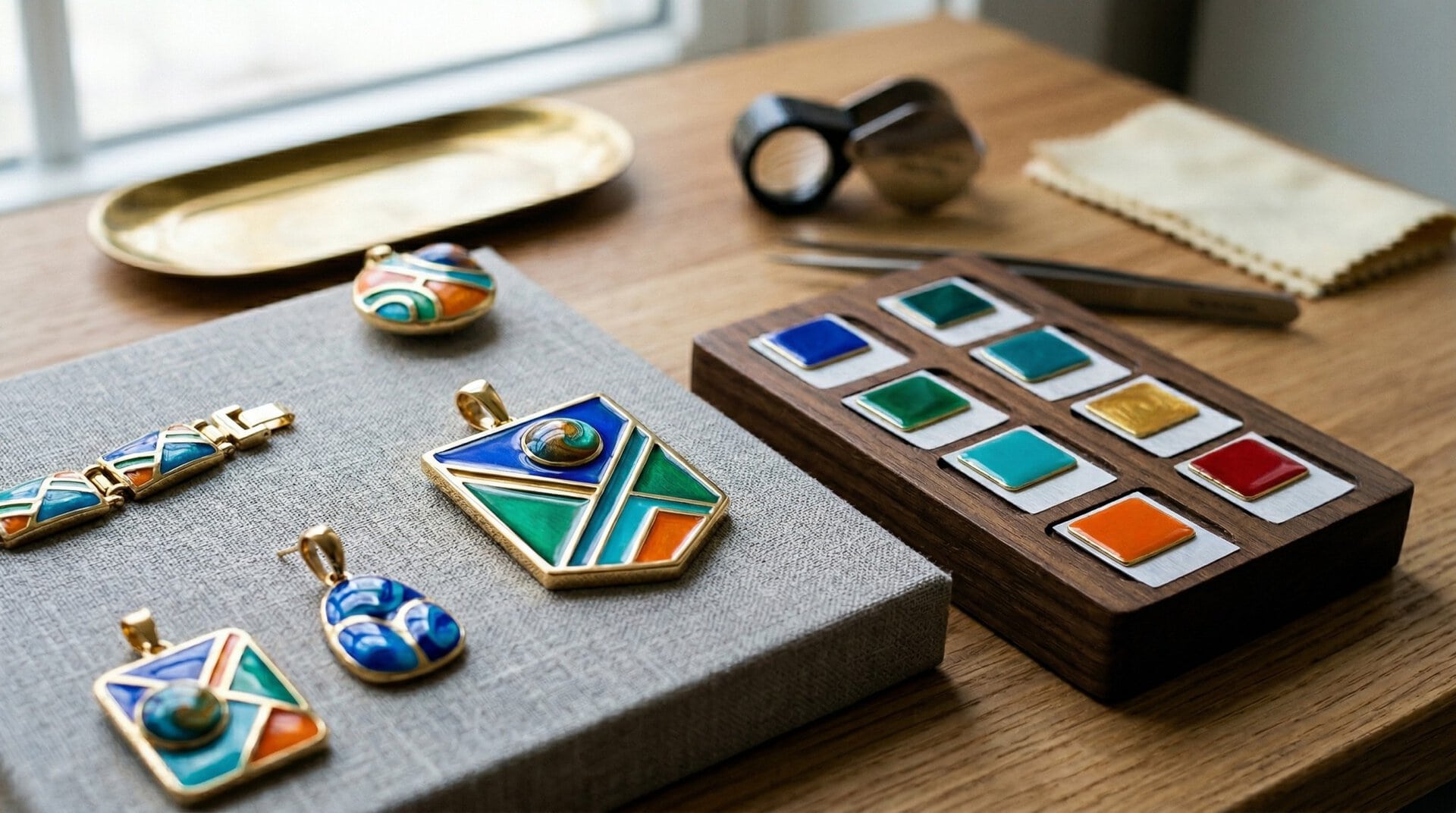
Epoxy & enamel control
Use epoxy for bold graphic color and enamel for cleaner, more premium color blocks. During sampling, confirm curing, edge protection, flatness, and the approved color reference before the design moves into bulk production.
What to lock: Color reference, edge protection, surface flatness, curing standard
Stone setting & inlay control
Choose the setting method based on design intent and wear expectation, then define QC focus before production. Prong, bezel, inlay/glue, and channel settings each require different checks for symmetry, smoothness, adhesion, fit, and spacing.
What to lock: Setting method, QC checkpoints, fit and alignment standard, adhesion or pull-risk focus
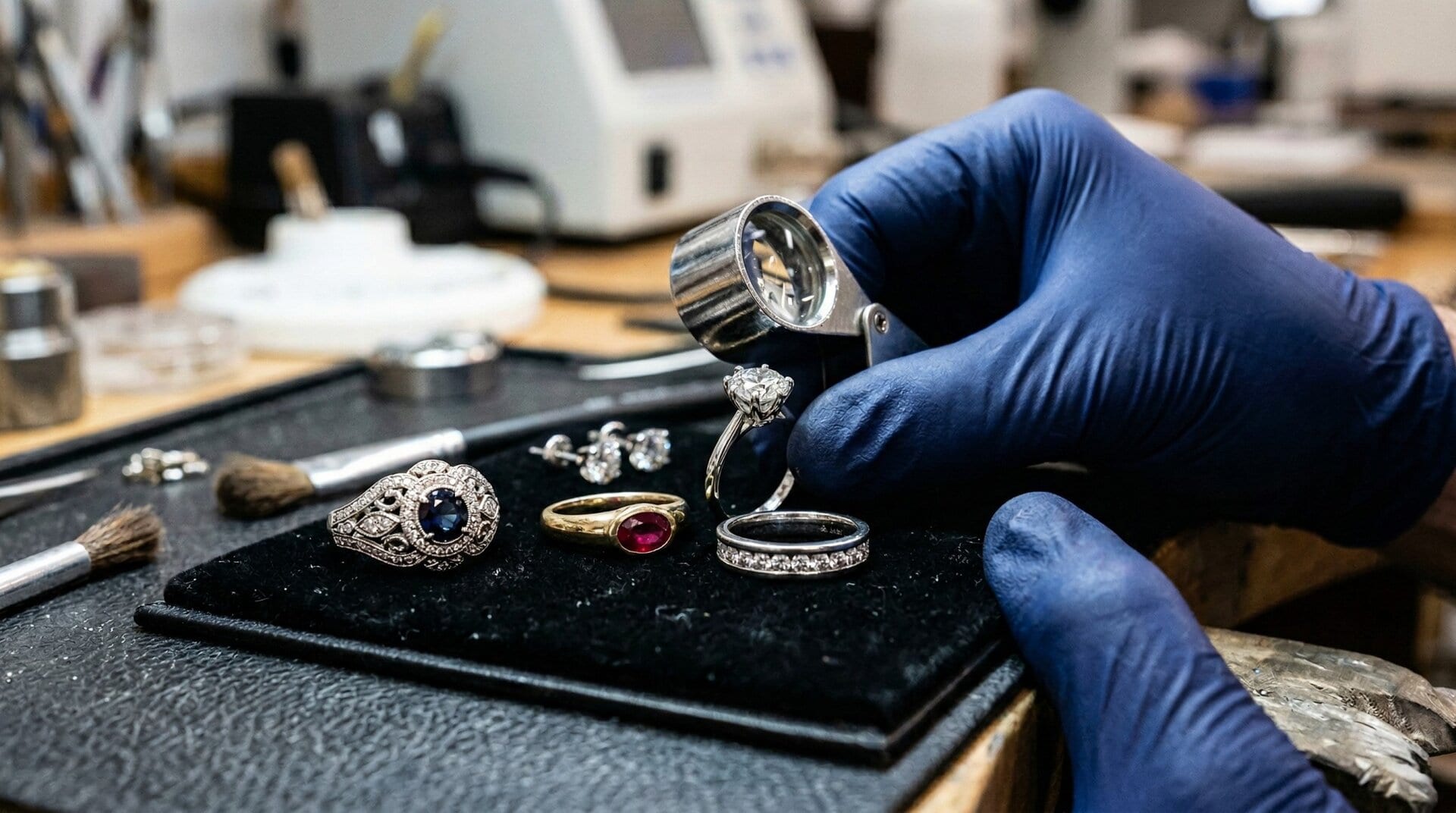
Note: All decorative references should be approved during sampling and tied to the final finish option before bulk production begins.
FAQ Hub
Choose based on wear scenario, positioning, and cost target. We recommend a material after reviewing SKU structure, finish plan, and destination requirements (market-dependent).
Sterling silver supports classic value perception for gifting and core lines. Silver-plated can be cost-efficient for trend drops. The best choice depends on price point, wear expectation, and channel claims.
We recommend approving a physical sample and a finish reference before mass production. That gives future orders a clearer standard to follow.
Yes. Oxidation depends on humidity, wear conditions, storage, finish protection, and how the product is used.
Requirements vary by market and channel. We align materials and optional test scope based on destination and Compliance Scope, and confirm deliverables per order.
Target market/channel, price point, reference photos, and your preferred look/finish are usually enough to propose a practical material + finish route and color chart alignment.
Want a Clear Material and Finish Recommendation?
Send your target market, price point, and reference photos. We’ll propose a material route, finish system, and color chart alignment within your project scope.
What We Need From You:
- Target market / channel
- Reference images and preferred color/finish
- Assortment size and target timeline
Contact us
Contact Us to Discuss Your Project
Looking to elevate your jewelry line? As a fashion jewelry manufacturer, we combine consistent quality, scalable capacity, and cost-effective pricing to support your brand’s growth.
- CCK Jewelry (Dongguan) Co., Ltd.
- Bldg. 1, Lianyi Industrial Zone, Chang'an Town, Dongguan, Guangdong, China
- info@cckjewelry.com
- +86 159 7563 4134
Follow us:

